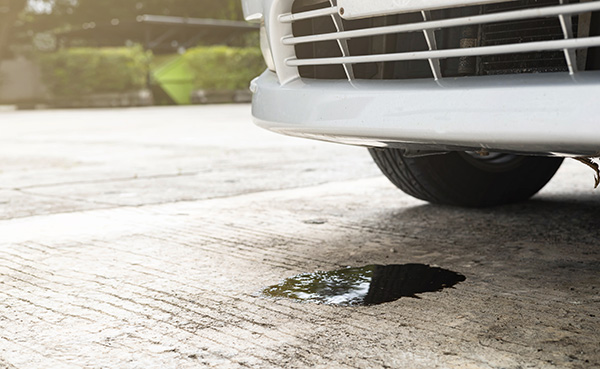
An Audi oil leak can start small enough to ignore. Maybe you notice a spot on the driveway, a hot oil smell after parking, or a little smoke from the engine bay. The car may still drive well, so it is tempting to wait and see if it gets worse.
Oil leaks on Audi engines should be checked early. Many leaks begin around gaskets, seals, covers, and housings that age from heat and pressure. Once oil spreads, it can coat other parts, drip onto hot exhaust components, soften rubber, and make the original leak harder to trace. Finding the source early can prevent a small leak from turning into a larger repair.
1. Valve Cover Gaskets
Valve cover gaskets are one of the most common places Audi engines develop oil leaks. The valve cover sits at the top of the engine and seals the area around the camshafts and valve train. Over time, heat can harden the gasket, allowing oil to seep out.
A leaking valve cover gasket may leave oil along the top or side of the engine. You may smell burning oil if the leak drips onto hot exhaust parts. In some cases, oil can leak into spark plug wells, leading to misfires, rough running, or ignition coil problems.
This leak may start as a small seep, but it rarely repairs itself. Once the gasket becomes brittle, the leak often grows. The repair should include cleaning the area and inspecting nearby parts to confirm the leak.
2. Oil Filter Housing And Cooler Seals
Many Audi engines use an oil filter housing or oil cooler assembly with seals that can leak as they age. These areas handle oil flow and heat, so the gaskets and seals work in a tough environment.
When the oil filter housing leaks, oil may collect around the front or side of the engine, run down the block, or spread across nearby components. On some engines, the leak can look worse than it is because oil travels far from the original source before dripping to the ground.
Oil cooler seals can also leak externally. In some cases, oil and coolant systems are close together, so the condition of both fluids should be checked. A proper inspection helps determine whether the problem is a simple seal leak or something more involved.
3. Oil Pan Gasket Or Lower Engine Seals
Oil leaks near the bottom of the engine often come from the oil pan gasket, drain plug area, lower timing cover, or related seals. These leaks can leave spots under the vehicle and may be mistaken for a loose drain plug after an oil change.
The oil pan holds engine oil before it is circulated through the engine. If the pan gasket or sealant begins to fail, oil can seep around the lower edge. Road debris, age, poor previous repairs, or impact damage can also cause leaks in this area.
Lower engine leaks can be messy because gravity pulls oil downward. A leak from above may drip onto the oil pan, making it appear the pan is the source. That is why cleaning and leak tracing are important before replacing parts.
4. Timing Cover Or Camshaft Seals
Timing cover and camshaft seal leaks can be more complex due to their location. These seals are near areas where timing components, camshafts, and rotating parts operate. Heat, pressure, age, and crankcase ventilation issues can all contribute to leaks.
A timing cover leak may leave oil along the front of the engine. Camshaft seals can leak near the upper or front areas, depending on the engine design. These leaks may drip onto belts, pulleys, or other nearby components.
Oil near belts should be handled quickly. Oil can soften rubber and shorten belt life. If the leak is near timing components, the repair plan needs to be careful and vehicle-specific, as access may require more labor than for simpler gasket repairs.
5. Crankcase Ventilation System Problems
Not every Audi oil leak starts because a gasket got old. A crankcase ventilation problem can create excess pressure inside the engine. When that pressure is not controlled correctly, oil may be pushed past seals and gaskets.
Audi engines often use a PCV or oil separator system to manage crankcase pressure and vapor. If that system fails, the engine may develop oil leaks, a rough idle, whistling noises, excessive oil consumption, or a check engine light.
Replacing a leaking gasket without checking crankcase ventilation can lead to repeat leaks. If pressure caused the seal to leak, the source of the pressure needs attention too. This is an important step on many European engines.
Signs An Audi Oil Leak Needs Attention
Oil leaks can show up in several ways. Watch for oil spots under the vehicle, burning oil smells, smoke after driving, low oil warnings, oily residue around the engine, or oil level dropping between services.
Some leaks are obvious. Others only appear when the engine is hot or running under pressure. Regular maintenance gives technicians a chance to detect seepage early before it spreads across the engine bay.
An oil leak should be diagnosed from the highest wet point, not just the lowest drip. Cleaning the area, adding dye when needed, and checking the vehicle after a road test can help confirm the true source.
Get Audi Oil Leak Repair In Charlotte, NC, With Pete's Auto Service
If your Audi smells like burning oil, leaves spots under the vehicle, shows low oil warnings, or has oil residue around the engine, Pete's Auto Service in Charlotte, NC, can trace the leak and explain the repair clearly.
For Audi oil leak repair before a small seep becomes a larger problem, contact us to schedule an appointment.