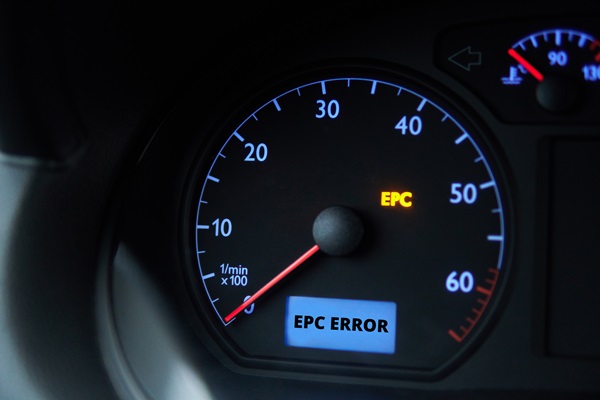
The EPC light can seem unrelated to the brake lights. EPC stands for Electronic Power Control, so many drivers assume the warning means a throttle problem. On some Volkswagen models, however, the engine-control system also uses a brake-pedal signal, so a faulty brake switch can trigger the warning.
That connection does not mean every EPC light needs a new brake light switch. The warning can involve several inputs and components. Checking the brake lamps, stored fault information, and pedal-signal operation helps determine whether the switch is involved or whether the problem is elsewhere in the system.
Volkswagen EPC Uses More Than the Accelerator Pedal
Electronic throttle control converts the driver’s accelerator request into the engine response. The control system also considers information from other vehicle systems. Depending on the vehicle's design, brake-pedal input can be used for cruise-control cancellation and engine-control decisions. It is therefore part of a larger set of signals rather than an isolated lighting function.
The EPC warning tells you the system has detected a concern; it does not identify one part on the dashboard. Throttle components, pedal sensors, wiring, power supply, or related engine-management faults may be involved. The exact system and available tests vary with the model year and engine.
A Brake Switch Can Send Conflicting Signals
Some Volkswagen brake-switch arrangements provide more than one electrical signal. The controls compare these signals to determine whether the brake pedal is pressed and whether the information is plausible. If one signal changes incorrectly, remains stuck, or disagrees with another input, the system may record a fault and activate a warning.
A switch can therefore create a problem even when the brake lamps appear to work during a quick check. An intermittent contact, wiring issue, or an incorrectly installed component may affect the information reaching a control module. Newer vehicles may use a different brake-sensing arrangement, so don't assume the older pedal-switch layout.
Brake Light Symptoms Can Help Narrow an EPC Concern
Brake lamps that do not illuminate, remain on after the pedal is released, or work inconsistently deserve prompt attention. They affect how following drivers recognize your braking. A cruise-control feature that stops working can also be a useful clue because many vehicles use brake input to cancel cruise operation.
Check the lamps only while the vehicle is safely parked, with someone observing them or a suitable reflection available. A failed bulb or a lamp-circuit fault is not automatically a failed pedal switch. Check the wiring and control arrangement to confirm an apparent connection between the EPC light and lamps, rather than assume one.
EPC Testing Should Include Codes and Live Brake Data
A suitable scan tool can read the relevant stored information and show whether the control modules recognize brake application and release. The technician may compare the signal with actual lamp operation and check it through repeated gentle pedal movement. Freeze-frame information can help identify the operating conditions present when an intermittent fault was recorded.
The switch supply, connector condition, wiring, and related circuits may need electrical testing. A fault description mentioning brake input does not establish that the switch itself is defective. Disconnecting the battery or clearing codes before inspection can remove useful evidence while leaving the underlying concern in place.
Other Volkswagen Faults Can Turn on the EPC Light
A throttle-body problem, accelerator sensor fault, or another engine-control concern can produce an EPC warning without any brake-switch defect. Some conditions may cause reduced power, hesitation, or an unusual response to the accelerator. Evaluate the vehicle based on the symptoms and stored information, not the most common internet explanation.
If brake lights are inoperative, the engine responds unpredictably, or the car loses power severely, stop safely and arrange help. A light that goes out after restarting still deserves attention if the symptom returns. Intermittent operation is often worth documenting, but it does not make a fault harmless.
Brake Switch Replacement Needs Correct Installation
If testing confirms a switch fault, the replacement should match the vehicle and be installed using the specified procedure. Certain designs have setup or installation requirements that affect their operation. The completed repair should include checking brake lamps, pedal-signal recognition, and any affected functions rather than relying only on the warning light going out.
For recurring EPC warnings, note whether they appear during braking, after starting, or while accelerating. Include any recent work near the pedal or electrical system. Those details can help reproduce the concern and confirm the repair addresses the same conditions that brought you to the shop.
Get Volkswagen EPC and Brake-Switch Testing in Charlotte, NC, With Pete’s Auto Service
If the EPC light appears with brake-lamp changes or unusual engine response, Pete’s Auto Service in Charlotte, NC, can inspect the relevant circuits and control-system information. Tell us what the lamps and vehicle were doing when the warning appeared so we can evaluate the connection and explain the work supported by the findings.
Contact us to schedule a Volkswagen EPC and brake-light inspection.