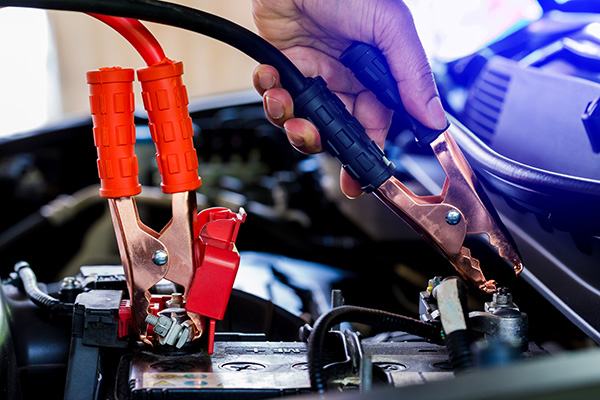
A dead battery tends to show up at the worst possible time. You turn the key or press the start button, and instead of the engine starting, you hear a click or nothing at all. While it can feel frustrating, jump-starting the car is often a simple way to get back on the road.
That said, doing it the wrong way can cause damage to your vehicle’s electrical system. Knowing the correct steps helps you avoid problems and get the car started safely.
Make Sure the Battery Is the Actual Problem
Before reaching for jumper cables, it helps to confirm that the battery is the issue. A dead battery usually shows signs like dim lights, slow cranking, or no response when starting.
If the dashboard lights come on normally but the engine does not crank, the problem may lie elsewhere, such as the starter. Taking a moment to check helps avoid unnecessary steps.
Position the Vehicles Correctly
Park the working vehicle close enough so the jumper cables can reach both batteries, but make sure the cars are not touching. Turn both vehicles off and set the parking brakes.
Keeping everything stable and secure before connecting cables helps prevent accidental movement and keeps the process controlled from the start.
Connect the Jumper Cables in the Right Order
The order of connection matters. Following the correct sequence helps reduce the risk of sparks or electrical damage.
- Connect the positive cable to the dead battery’s positive terminal
- Connect the other end of the positive cable to the working battery’s positive terminal
- Connect the negative cable to the working battery’s negative terminal
- Connect the final negative clamp to an unpainted metal surface on the dead vehicle, away from the battery
Using a metal grounding point instead of the battery helps reduce the risk of sparks near the battery.
Start the Working Vehicle First
Once the cables are connected, start the working vehicle and let it run for a few minutes. This allows power to begin flowing into the dead battery.
After a short wait, try starting the vehicle with the dead battery. If it does not start right away, give it a little more time before trying again.
Remove the Cables Carefully and in Reverse Order
After the vehicle starts, remove the cables in the reverse order of their connections. This helps prevent electrical issues.
Start by disconnecting the ground connection from the previously dead vehicle, then remove the remaining cables one at a time. Take care not to let the clamps touch each other during removal.
Let the Engine Run to Recharge the Battery
Once the car is running, it is important to let it continue running for a while. The alternator will begin recharging the battery, but it takes time to restore enough charge.
Driving the vehicle for at least 15 to 20 minutes helps bring the battery back to a more stable level. Turning the engine off too soon may require another jump.
Understand That a Jump Start Is Not Always a Fix
Jump starting gets the car running, but it does not fix the underlying issue. If the battery is old or there is a charging issue, the issue may recur.
If you find yourself needing multiple jump starts, it is a sign that the battery or charging system needs attention. An inspection helps identify the exact cause.
Regular Maintenance Helps Prevent Dead Batteries
Battery issues are often preventable with regular maintenance. Checking battery condition, cleaning terminals, and testing the charging system can catch problems early.
An inspection also helps determine if the battery is nearing the end of its life. Replacing it before failure helps avoid inconvenient situations.
When to Schedule a Battery Inspection
If your battery dies unexpectedly or you need a jump start more than once, it is time to have the system checked. Even if the car starts again, the problem may persist.
Getting a clear answer helps you avoid getting stranded and ensures your vehicle remains reliable.
Get Battery Service In Charlotte, NC, With Pete's Auto Service
If your car battery keeps dying or you want to make sure your charging system is working properly, Pete's Auto Service in Charlotte, NC, can inspect your vehicle and find the cause.
Call today to schedule your appointment and keep your car starting reliably every time you turn the key.