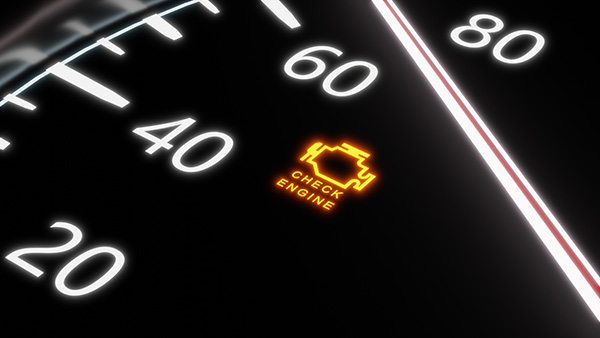
When the check engine light comes on, and the car still feels mostly normal, the oxygen sensors are often involved. They sit quietly in the exhaust stream, measuring gases that most drivers never think about, but the engine computer relies on those readings constantly.
When a sensor starts to fail, or its signal does not make sense, the computer has no choice but to turn that light on and protect the engine and catalytic converter as best it can.
Why Oxygen Sensors Matter More Than Most Drivers Realize
Oxygen sensors help the computer decide how much fuel to deliver at any moment. They provide feedback on whether the engine is running rich or lean, so the system can adjust and keep the mixture in a narrow, efficient range. That control affects fuel economy, smoothness, emissions, and catalytic converter life.
Without accurate O2 sensor data, the computer is forced into a backup strategy. It uses preprogrammed values instead of live feedback, which keeps the car running but usually means more fuel, more emissions, and less protection for expensive exhaust components. That is why even a “small” sensor issue turns into a big warning on the dashboard.
What the Oxygen Sensor Measures
An oxygen sensor does not measure fuel directly, it measures how much oxygen is left in the exhaust after combustion. From that, the computer can infer whether the mixture was rich or lean on that cycle. Older narrowband sensors switch between rich and lean signals, while newer wideband or air-fuel sensors give very detailed information across a wide range.
The computer constantly reads that signal, compares it to its targets, and makes tiny changes to the injector pulse width many times per second. Over time, the sensor’s internal surfaces can become contaminated, the heater element can weaken, or the wiring can corrode. When the response slows down or drifts out of range, the system sees a problem.
Common Reasons Oxygen Sensors Fail
Oxygen sensors are wear items, and they live in a harsh environment. Some of the most common causes of failure include:
- Normal aging and contamination from thousands of heat cycles
- Coolant or oil burning that coats the sensor with residue
- Fuel additives or silicone-based sealers that poison the sensor surface
- Exhaust leaks near the sensor that let outside air mix with the sample
- Damaged wiring or connectors from road debris, corrosion, or previous repairs
Sometimes the sensor itself is fine, but a problem upstream, such as a misfire or rich running condition, has created contamination that ruins it early. That is why simply throwing in a new sensor without diagnosis can lead to repeat failures.
How a Bad O2 Sensor Triggers the Check Engine Light
When an oxygen sensor is working correctly, its signal changes quickly as the engine adjusts fuel. The computer expects to see those swings and uses built-in tests to monitor them. If the signal is too slow, flat, or outside normal range, it sets a fault code and turns on the check engine light.
You might see codes that point to sensor performance, heater circuit problems, or mixture control issues. In some cases, the sensor is reporting something real, such as a lean condition from a vacuum leak or low fuel pressure. In others, the sensor itself has become lazy and cannot respond fast enough. A technician uses scan data to see whether the sensor is reacting the way it should before deciding what needs to be replaced.
Symptoms You Might Notice From a Failing Oxygen Sensor
Not every oxygen sensor problem comes with dramatic drivability issues, but there are some common clues:
- Noticeable drop in fuel economy over several tanks
- Rougher idle than usual or occasional stumbling
- Hesitation or flat spots when accelerating
- Stronger exhaust smell, especially when the engine is cold
- Check engine light that keeps returning after being cleared
Sometimes the vehicle still feels fairly normal, and the light is the only real sign. In other cases, especially when multiple sensors or related components are involved, the engine may feel sluggish or inconsistent enough that you know something is off.
Owner Habits That Shorten Oxygen Sensor Life
How the car is driven and maintained has a big effect on sensor life. Extended oil change intervals that lead to oil consumption and deposits are hard on sensors and catalysts. Ignoring misfires or running with a rich mixture for a long time sends unburned fuel into the exhaust, which overheats and contaminates the sensors.
Using sealers, additives, or gasket materials that are not sensor-safe can also leave coatings that interfere with sensor operation. Even small exhaust leaks that are left alone for months can confuse sensor readings and cause the computer to overcorrect. Our technicians like to look for these underlying issues whenever an O2 sensor code appears, so we do not just treat the symptom.
Get Oxygen Sensor Diagnostics in Charlotte, NC, with Pete's Auto Service
We can scan your vehicle, watch live sensor data, and check for exhaust leaks, wiring issues, or engine problems that may have damaged an oxygen sensor. We explain whether the sensor itself needs replacement or if there is another cause that should be fixed at the same time.
Call Pete's Auto Service in Charlotte, NC, to schedule diagnostics and get that check engine light handled the right way.